Dog Muzzle Types Explained: Basket, Soft, and Specialty Fits
Affiliate disclosure: This article contains affiliate links. If you buy through them, we may earn a small commission at no extra cost to you. As an Amazon Associate I earn from qualifying purchases. Links go to Amazon search results for the product types we mention, not to specific products we have tested.
Not veterinary advice. This article shares general information about dog gear only. It is not a substitute for advice from your veterinarian. Check fit and supervise your dog with new gear, toys and chews, and ask your vet about health, diet, injuries or behaviour concerns.
A muzzle is a safety tool, not a statement about a dog's personality. It can be part of a thoughtful plan for veterinary care, grooming, or another situation where extra precautions are needed. Choosing the right type and teaching the dog to wear it comfortably are separate tasks, and both matter.
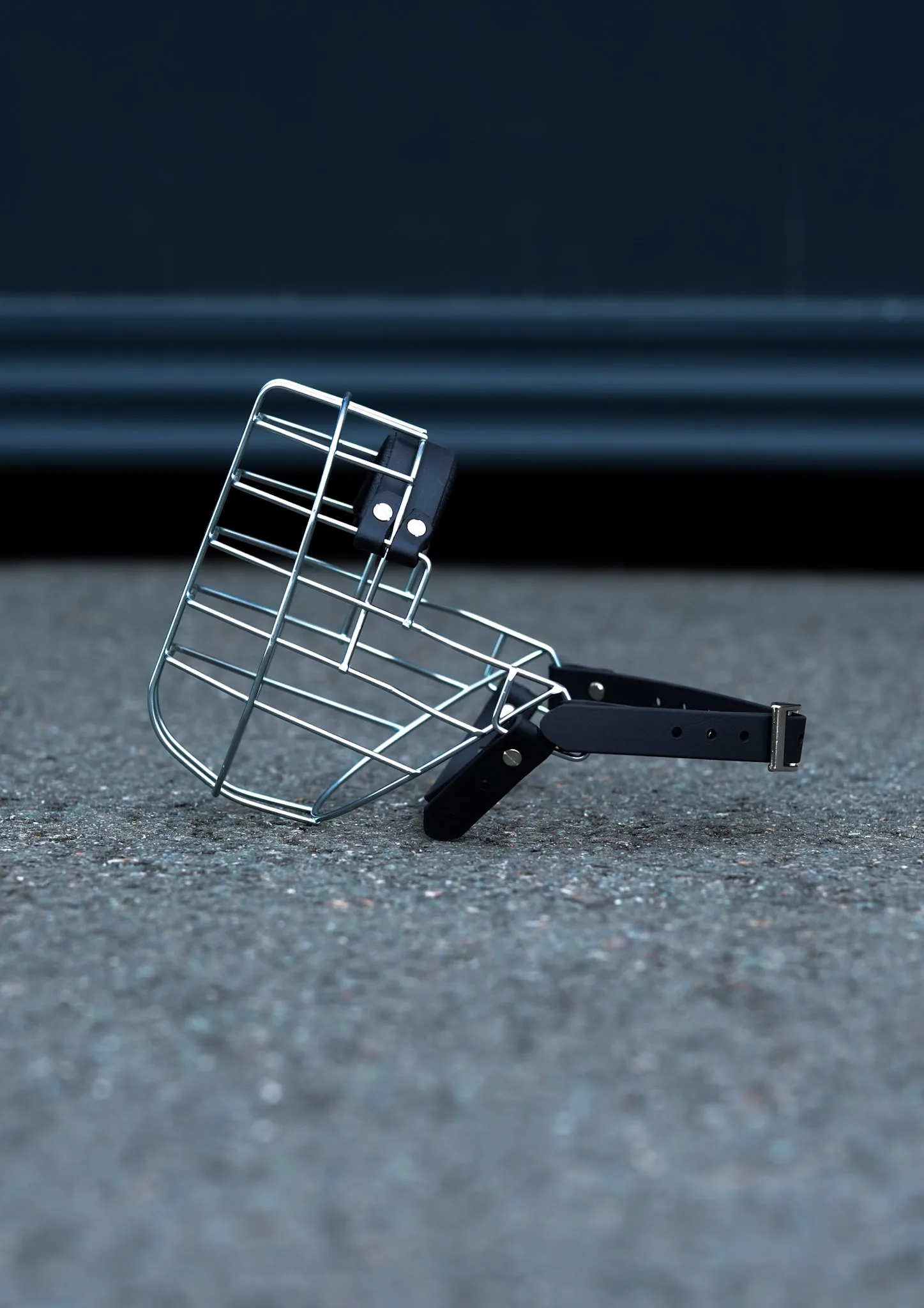
With dog muzzle types explained clearly, the main distinction is straightforward: a properly fitted basket design provides room around the mouth, while a close-fitting soft sleeve has much narrower uses. The Cornell University muzzle-training guide says a suitable basket muzzle allows panting, drinking, and taking treats, and that nylon muzzles holding the mouth closed are inappropriate for most situations.
A muzzle must never be punishment. The AKC's muzzle-use guidance explicitly rejects punishment and forcing dogs through stressful situations. It is not a way to silence normal communication or skip training and supervision. Start with a suitable reason, a suitable design, and a positive introduction.
Why a dog might need a muzzle
Cornell's guide to muzzle choices discusses veterinary visits, stressful handling, grooming, injury, and prevention of eating inappropriate objects. It also explains that even a friendly dog may bite when frightened or in pain.
That is a reason for preparation, not fear. Learning about the equipment before an urgent appointment gives you more time to ask about fit and practice calmly.
A venue or transport operator may also require a particular type. Check its current rules directly before travel; there is no universal rule that one muzzle design satisfies every location. This article does not interpret local law.
If your dog is injured or suddenly acting painful, contact your veterinarian or emergency veterinarian first. Do not delay care to attempt a new training program. Cornell's muzzle guidance specifically recognizes pain-related bite risk during emergencies; let the veterinary team advise you about handling.
Basket muzzles: room around the mouth
A basket forms a structure around the dog's muzzle instead of wrapping the mouth tightly closed. Designs may use molded plastic, coated wire, metal, or other materials, with straps holding the basket in position.
Suits: planned, supervised use where the dog needs room to pant and drink and where the chosen construction meets the purpose identified with your professional adviser.
The essential fit feature is functional space, not merely a basket-like appearance. Cornell's basket-muzzle guide says a properly fitted muzzle allows panting, drinking water, and accepting treats. A basket that presses the dog's mouth into a mostly closed position has not met that goal.
Do not call any product universally bite-proof or assume material alone settles its suitability. Discuss the intended situation, fit, and construction with a qualified professional if bite prevention is the purpose. Equipment selection does not eliminate the need to manage distance and handling.
Soft, nylon, or sleeve muzzles
A sleeve-style muzzle wraps closely around the snout. The word “soft” describes its material; it does not mean that it is the more comfortable or suitable choice for a walk.
Suits: limited, brief handling situations under veterinary or qualified professional direction, not routine exercise.
Cornell's muzzle-choice guide states that sleeves limit panting and drinking, and that dogs may still nip. Its training guide therefore advises against mouth-constricting nylon muzzles for most situations.
Do not buy a fabric sleeve as an everyday walking muzzle because it folds neatly into a pocket. Convenience for the person is not the deciding criterion. If a clinic wants a particular temporary restraint for a procedure, let that team select and manage it.
Specialty shapes and scavenging concerns
Some dogs have proportions that ordinary off-the-shelf baskets do not accommodate well. A short, broad face is a different fitting problem from a long, narrow snout. A breed label on a package does not replace checking the product's dimensions and functional room.
Suits: professional-assisted selection when common shapes cannot meet the fit requirements.
Ask your veterinarian or a qualified positive-reinforcement trainer for help rather than improvising a tight fit. Cornell recommends professional support for dogs with handling sensitivities or a bite history in its basket-muzzle training instructions.
For a dog that eats inappropriate objects, ordinary basket gaps may not address the exact concern. Cornell's muzzle-choice article discusses basket muzzles in management of indiscriminate eating, but that does not mean every basket blocks every item. Ask your veterinarian to help select a design and investigate the behavior. Do not attach improvised covers or leave the dog unattended.
Emergency restraint is not a DIY shopping category
Cornell distinguishes temporary emergency restraint from normal basket-muzzle use in its overview. This article does not provide instructions for making or applying an improvised muzzle.
If an emergency occurs, contact the veterinary team, explain what happened and how the dog is behaving, and follow their handling instructions. Having a planned muzzle-training routine is useful preparation, but it is not a requirement to complete before seeking urgent care.
Fit: measure for the exact product
Read the maker's measurement diagram before collecting numbers. Common checks involve snout length, circumference, basket depth, and the range of the securing straps, but brands may measure at different points.
A circumference taken with the mouth closed is not, by itself, proof of adequate panting room. Ask the manufacturer how its chart accounts for an open mouth, then check the actual fit with professional help when needed. The functional standard remains the one described by Cornell: room to pant, drink, and accept rewards.
Check the whole arrangement:
- Does the basket sit clear of the eyes?
- Is there appropriate space in front of the nose according to its instructions?
- Can the dog open the mouth sufficiently for normal panting?
- Can the dog actually drink with the fitted design?
- Do straps stay in their intended position during ordinary movement?
- Can you use your walking gear without pulling the muzzle sideways?
Cornell's training instructions suggest one to two fingers beneath the securing strap and adjustment so it cannot slip over the head. That strap check does not replace checking basket depth and mouth room.
For the separate walking setup, see how to choose a dog harness and dog leash types. A muzzle is not a lead attachment or a substitute for those tools.
Two named options to discuss, not universal answers
Cornell's basket-muzzle training page names the Baskerville Ultra and Jafco Clear Vinyl as examples. That makes them useful starting points for a fit discussion, not endorsements for every dog and purpose.
Baskerville Ultra
Suits: owners beginning a search for a basket-style option who can check its dimensions and intended use with a professional if necessary.
Browse Baskerville Ultra dog muzzles and identify the exact model, size, and strap arrangement. Do not substitute a similarly named product and assume its fit is identical. The essential question is whether this particular basket gives your dog sufficient functional space.
Jafco Clear Vinyl
Suits: owners investigating another structured design rather than assuming one basket shape fits every snout.
Browse Jafco Clear Vinyl dog muzzles and check the maker's sizing directions for the actual version. Ask about drinking access, panting room, and the purpose you need it to serve. Appearance alone cannot answer those questions.
For either option, a clear return and fitting process is more useful than a large accessory bundle. Keep the product instructions and make adjustments only as the manufacturer permits.
A gradual, positive introduction
Cornell's training plan separates comfort with putting the nose into the basket from comfort with the strap behind the head. Follow that order rather than fastening an unfamiliar muzzle immediately.
First, present the muzzle in a calm setting and allow voluntary investigation. Use an appropriate familiar reward to encourage the dog to put its nose inside; do not push the equipment toward the face. Reward, remove the basket gently, and repeat in brief sessions.
Next, work toward voluntary nose placement without needing food already inside, then reward through the basket. Only after that is comfortable should you gradually introduce the strap, briefly fastening and rewarding according to the fit instructions. Cornell recommends very short initial repetitions rather than demanding long wear immediately.
Do not rush the process to meet a self-imposed deadline. If the dog avoids the equipment or struggles, step back and ask for professional guidance. For other handling routines, our home grooming tools guide provides context; accepting a muzzle does not automatically mean the dog accepts nail trimming or brushing.
Supervision and care are part of the purchase
Cornell's muzzle-training guidance says never to leave a muzzled dog unattended, noting that a muzzle may come off and be chewed or swallowed. It also advises keeping the equipment clean and avoiding unnecessarily frightening situations during introduction.
Check straps, fasteners, and the basket before use, and follow the model's cleaning instructions. Retire damaged equipment rather than assuming a crack or loose fastening is cosmetic. Store it where you can find it for planned use but where the dog cannot chew it.
FAQ
Can a basket muzzle allow drinking?
A properly selected and fitted one should, according to Cornell. Confirm that your dog can actually drink in the fitted product rather than relying only on the package wording.
Is a soft muzzle suitable for a walk?
Not as a default choice. Cornell says sleeves limit panting and drinking and are intended for temporary uses, while its training guidance favors suitable baskets for most situations.
Does wearing a muzzle mean a dog is dangerous?
No. Cornell discusses many reasons for use, including painful injuries and necessary handling. Treat the equipment neutrally and give the dog appropriate space rather than making assumptions.
Can a muzzle replace behavior support?
No. It is one part of a management plan. For fear, handling sensitivity, or a bite history, follow Cornell's recommendation to involve a qualified positive-reinforcement trainer or board-certified veterinary behaviorist.
About the author: This article was researched and written by the Dog Gear Hub Editorial Team. We compare dog gear and gifts using manufacturer and retailer information and owner reviews, and we say clearly when we haven't tried a product ourselves.
Read next: How to Choose a Dog Harness: Fit, Styles and Sizing Explained →